
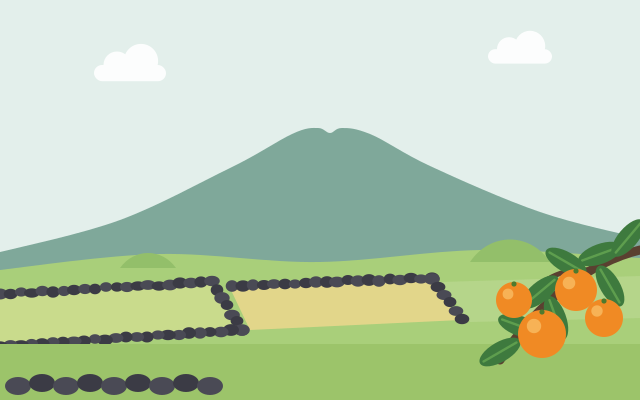
Jeju 제주
A volcanic island of tangerines and sea
Why go
Jeju was born from a volcano. At its center rises Mount Hallasan, the highest peak in South Korea, and the coast is full of black lava rock, craters and beaches. The volcanic island and its lava tubes have been a UNESCO World Natural Heritage Site since 2007, and the culture of the haenyeo (해녀, haenyeo), women who dive without breathing equipment, has been on UNESCO's intangible heritage list since 2016.
Getting there
Flight from Gimpo Airport in Seoul, approx. 1 hour 10 minutes. It is one of the busiest air routes in the world, so there are flights all day. On the island you get around by bus or rental car.
Travel times are approximate. Verified in October 2026.
What to see
Mount Hallasan
한라산 HallasanA volcano of almost 1,950 meters, the highest in South Korea, with a crater lake at the top called Baengnokdam (백록담, Baengnokdam). To reach the summit on the Seongpanak or Gwaneumsa trails you must book online in advance.
Seongsan Ilchulbong Sunrise Peak
성산일출봉 Seongsan IlchulbongA volcanic cone that rose from the sea on the east coast, with a huge crater on top. The stair climb takes about 20 to 30 minutes, and it is the island's most famous sunrise spot.
Jeju Olle Trails
제주올레길 Jeju Olle-gilA network of trails that loops around the island along the coast, villages and fields. You can walk a short section in a few hours and see local life up close.
Dongmun Market
동문시장 Dongmun SijangThe best known traditional market in Jeju City, with tangerines, fish and lots of food stalls. It gets even livelier at night.
What to eat
Jeju black pork
흑돼지 heukdwaejiMeat from a black pig breed native to the island, grilled at the table. It is often dipped in a fermented anchovy sauce called meljeot (멜젓, meljeot).
Gogi-guksu Pork noodle soup
고기국수 gogi-guksuThick noodles in a milky pork bone broth topped with sliced pork. Simple and very Jeju.
Jeju tangerines
감귤 gamgyulTangerines are the island's symbol. They are harvested from autumn to winter, and you also find them as juice, sweets and ice cream. The hallabong (한라봉, hallabong) variety has a bump on top that recalls Mount Hallasan.
Best time to go
April and May for the flowers, and October to December for tangerines and mild weather. Summer is hot and rainy, and winter brings strong winds.
To climb to the Hallasan summit via Seongpanak or Gwaneumsa, book at visithalla.jeju.go.kr; spots sell out fast in high season (verified in October 2026). Start early, because there are cutoff times along the trail for continuing up, and bring water and food: there are no shops on the trails.
Sources
- whc.unesco.org/en/list/1264, opens in a new tab
- ich.unesco.org/en/RL/culture-of-jeju-haenyeo-women-divers-01068, opens in a new tab
- visitjeju.net/u/kU, opens in a new tab
- visithalla.jeju.go.kr, opens in a new tab
- visitjeju.net/en, opens in a new tab
- oag.com/pressroom/south-koreas-jeju-cju-seoul-gimpo-gmp-worlds-busiest-airline-route-in-2025, opens in a new tab
- visithalla.jeju.go.kr/main/main.do, opens in a new tab
- jeju.go.kr/hallasan/index.htm, opens in a new tab