
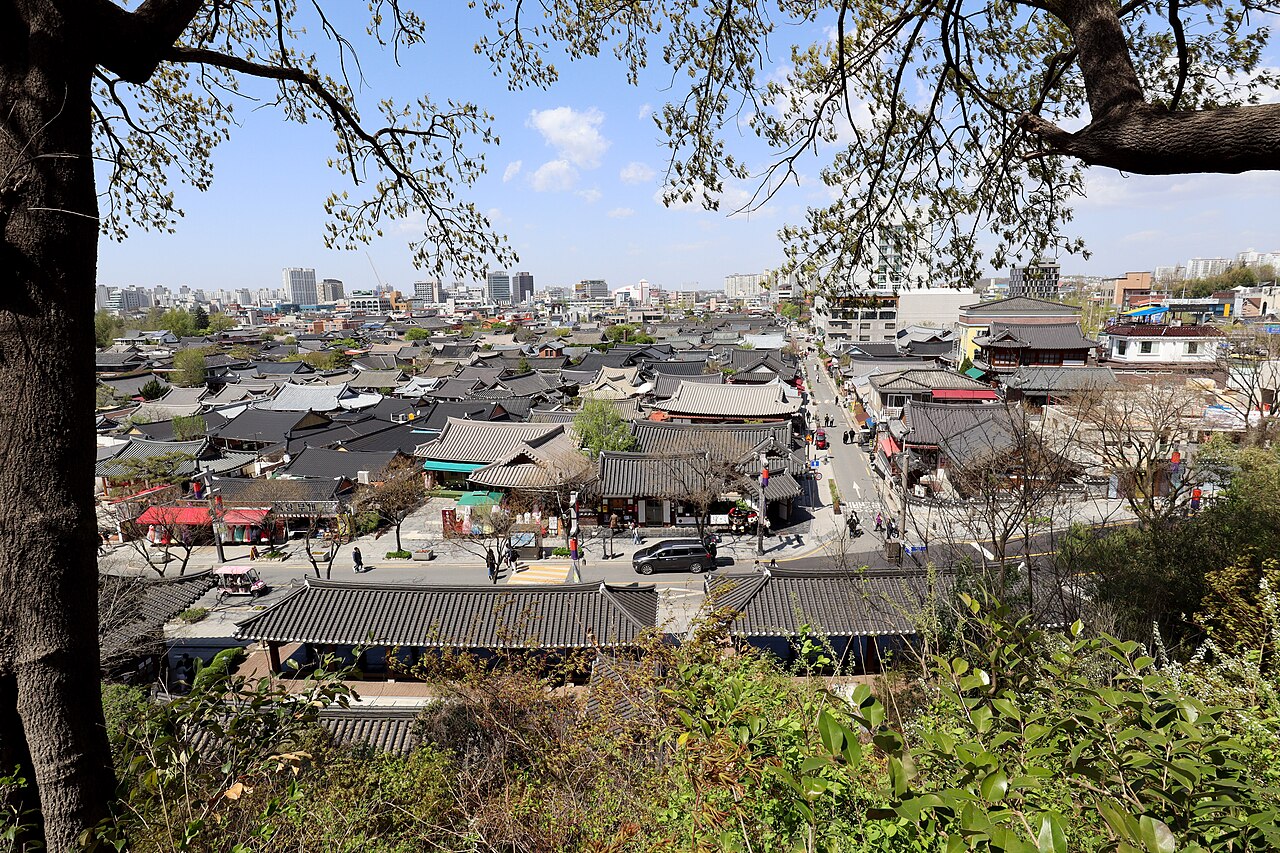
Jeonju 전주
Traditional houses and the home of bibimbap
Get a feel for the place, then find your next stop on the map.
CITY / QUICK GUIDE
Your city at a glance
- Walkable hanok streets
- Bibimbap by day, shared tables by night
Getting there from Seoul
Approximate journey times vary by service and exclude transfers, waiting and airport check-in.
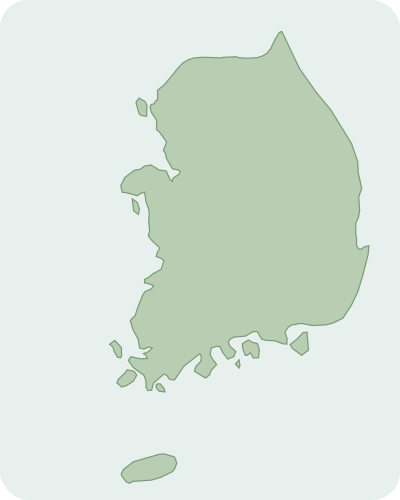
A stop for your next itinerary
A makgeolli table in Samcheondong
An evening option for adults: rice wine and shared dishes. Check the menu and price before ordering.
Ideas for all four seasons
Spring · Mar–May
Stroll Gyeonggijeon gardens and hanok lanes.
Summer · Jun–Aug
Walk shaded lanes early and try chilled kongguksu.
Autumn · Sep–Nov
Pair autumn leaves, hanok and bibimbap.
Winter · Dec–Feb
Pause in a tea house or over a hot soup.
Where to eat: sourced places
We checked the linked listings, not today’s service. Confirm hours, menu, reservations and dietary needs before visiting.
HanKookJib
한국집
전북특별자치도 전주시 완산구 어진길 119Source checked · 2026-10-20Gapgi Hoegwan
갑기회관 본점
전북특별자치도 전주시 덕진구 상리로 50Source checked · 2026-10-20Read more about the city
Why go
Right in central Jeonju is a neighborhood with more than 700 hanok (한옥, hanok), traditional Korean houses with curved roofs. You can wander the alleys, sleep in a traditional house and eat very well: Jeonju has been a UNESCO Creative City of Gastronomy since 2012.
What to see
Jeonju Hanok Village
전주한옥마을 Jeonju Hanok MaeulMore than 700 traditional houses in the Pungnam-dong and Gyo-dong neighborhoods. There are tea houses, hanji (한지, hanji) paper workshops and places to rent hanbok (한복, hanbok), the traditional dress. Early in the morning it is much quieter.
Find on mapGyeonggijeon Shrine
경기전 GyeonggijeonBuilt in 1410 to keep the portrait of King Taejo, founder of the Joseon dynasty, and rebuilt in 1614 after the Imjin War. It has gardens with bamboo and old trees, and inside the grounds is a museum of royal portraits.
Find on mapJeondong Cathedral
전동성당 Jeondong SeongdangA red brick Catholic church finished in 1914, in Romanesque and Byzantine style. It stands where Korean Catholic martyrs died in 1791. It is a working church, so enter respectfully and dress modestly.
Find on mapNambu Market
남부시장 Nambu SijangA big traditional market a short walk from the hanok village. On Friday and Saturday nights a covered night market opens, with Korean and international food stalls and live music.
Find on map
What to eat
Jeonju bibimbap
전주비빔밥 Jeonju bibimbapRice topped with many vegetables, meat, egg and gochujang (고추장, gochujang) chili paste. You mix it all before eating. It is the dish that made the city famous.
Find on mapBean sprout soup with rice
콩나물국밥 kongnamul-gukbapA light, hot soup of soybean sprouts with rice. It is Jeonju's classic breakfast, especially on cold days.
Find on map
Nambu night market opens on Fridays and Saturdays from 19:00, or from 18:00 between November and February (verified in October 2026). If you stay in a hanok house, ask in advance whether the bathroom is private.
Sources
Coreanda summarizes this guide in English. Each link shows the actual language of the external page.
- Jeonju makgeolli alleysSource language: EnglishJeonju City · Source checked 2026-10-20Jeonju Makgeolli Alley, opens in a new tab
- Jeonju bibimbap and restaurantsSource language: EnglishKorea Tourism Organization · Source checked 2026-10-20Jeonju Bibimbap: A Dazzling Harmony of Gastronomy, opens in a new tab
- KORAIL trains and reservationsSource language: EnglishKORAIL · Source checked 2026-10-20KORAIL trains and reservations, opens in a new tab
- Information from hanok.jeonju.go.krSource language: Language not verified/contents/en_info, opens in a new tab
- Information from UNESCOSource language: Language not verified/en/creative-cities/jeonju, opens in a new tab
- Information from kbmaeil.comSource language: Language not verified/article/20260322500391, opens in a new tab
- Information from KORAILSource language: Language not verified, opens in a new tab
- Information from ko.wikipedia.orgSource language: Language not verified/wiki/경기전, opens in a new tab
- Information from ko.wikipedia.orgSource language: Language not verified/wiki/전동성당, opens in a new tab